Defoaming agents are usually complex mixtures—often combining silicone oils, hydrophobic organic compounds, and surfactants—to disrupt foam structure efficiently. Foam forms when surfactants stabilize bubbles by lowering surface tension, creating a protective film that resists collapse. The defoaming agent acts by penetrating and destabilizing these films, causing bubbles to coalesce and break rapidly.
Silicone-based defoamers are particularly effective due to their low surface tension and spreading ability. When added to a foaming system, silicone oils spread on the bubble surfaces, thinning the film until it ruptures. Organic compound defoamers can similarly embed themselves within the foam lamella, disturbing surfactant packing. This targeted action reduces foam height and persistence without adversely affecting the main fluid properties.
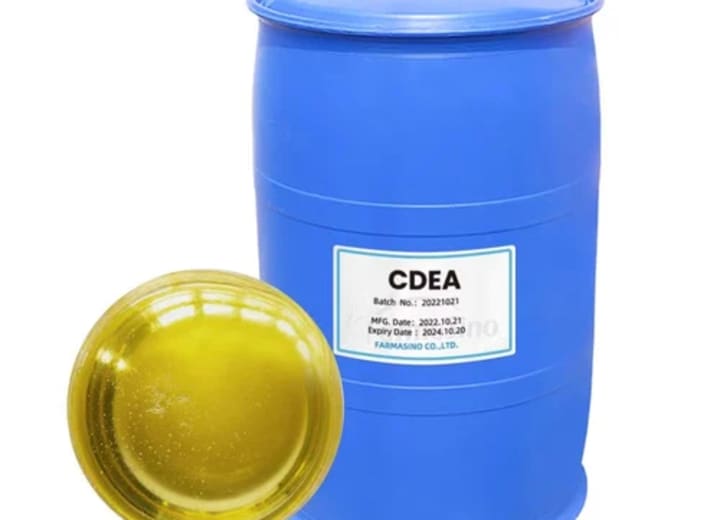
Performance attributes such as quick spread, low solubility in process media, and chemical compatibility govern effectiveness. The liquid appears clear to slightly viscous, enabling easy dosing and uniform distribution. Defoamers must resist shear forces, high temperatures, and varied pH found in typical industrial environments. Zenco Systems Ltd supplies defoaming agents tailored for demanding applications in East Africa, with quality verified to maintain consistent defoaming action that safeguards equipment and process stability.
Choosing the right formulation depends on factors such as process temperature, fluid chemistry, and foam type (e.g., protein vs. synthetic surfactant foam). Industrial users must test doses carefully, as overdosing can impair emulsions or result in residues, while underdosing fails to control foam fully. Consultation with suppliers like Zenco Systems Ltd can optimize selection and dosage for specific industrial setups in Kenya, Uganda, and Tanzania.