Zenco Systems LtdChemical Division
+254114591982info@zencochemicals.comChat on WhatsAppGet a Quote

Calcium Carbonate

Calcium Carbonate is a versatile white mineral used widely in manufacturing and water treatment applications.

Calcium Carbonate is a foundational chemical for several critical industries, including water treatment, manufacturing, construction, agriculture, and food processing.

Packaging

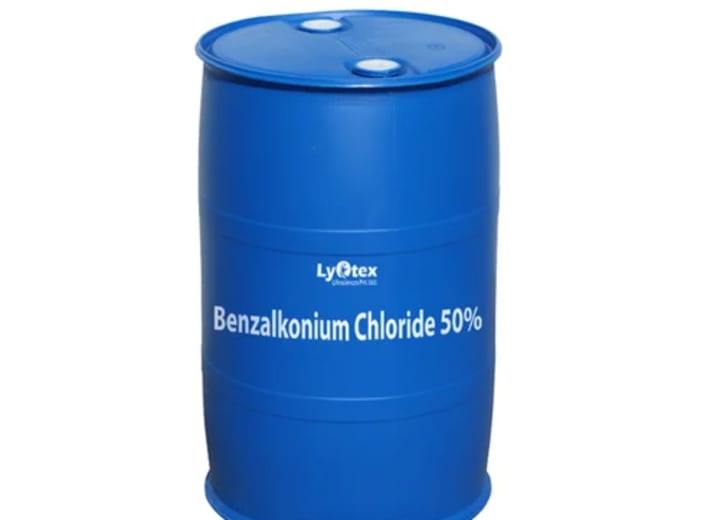
25kg bags, 50kg bags, 200L drums

Supply Region

Kenya, East Africa

Supplier

Zenco Systems Ltd

What is Calcium Carbonate?

Calcium Carbonate is a foundational chemical for several critical industries, including water treatment, manufacturing, construction, agriculture, and food processing. Its broad industrial footprint stretches across East Africa, where Kenya, Uganda, and Tanzania companies rely on it to meet rigorous production and environmental standards. Known chemically as CaCO, calcium carbonate naturally occurs as a white crystalline powder, prized for its stability, chemical neutrality, and versatility. This mineral is integral for neutralizing acidic water in treatment plants, serving as an economical filler and pigment in plastics and paints, and enhancing soil quality in farming. Zenco Systems Ltd supplies this essential chemical to East African manufacturers and processors, ensuring consistent quality and reliable logistics throughout the region. Its proven role in cement production and pH adjustment underpins many construction and industrial processes, making it indispensable in multiple supply chains.

Calcium Carbonate: Detailed Product Overview

Calcium Carbonate (CaCO) is a naturally occurring mineral composed of calcium, carbon, and oxygen. It typically appears as a white crystalline powder with low solubility in water—a key attribute that makes it useful for stabilizing pH levels. Its thermal stability ensures that it withstands processing conditions up to temperatures around 82510C without decomposing, enabling its use in cement manufacturing and other high-temperature industrial processes. The mineral functions primarily as a pH regulator and filler. In water treatment, it reacts with acids, neutralizing environmental acidity by forming calcium ions and carbon dioxide, thereby preventing corrosion and improving water quality. As a filler, high purity calcium carbonate enhances the mechanical properties and whiteness of plastics, paints, and paper, improving opacity and durability. The physical particle size and distribution can be tailored to specific applications, affecting surface area and reactivity. For construction, calcium carbonate is a principal ingredient in cement and lime production, reacting with other materials to form the structural matrix essential for building stability. It is also used in agriculture to amend acidic soils, enhancing nutrient availability and crop yield. Buyers must consider grade and purity specifications carefully, confirming product quality with Zenco Systems Ltd to match their industrial requirements across Kenya, Uganda, Tanzania, and neighboring markets.

Applications and Uses of Calcium Carbonate

Water Treatment

In water treatment plants, calcium carbonate is used extensively to neutralize acidic water. When acidic pollutants lower water pH, calcium carbonate reacts to increase alkalinity, reducing corrosion in pipes and making water safer for consumption and industrial use. Its low solubility ensures a gradual pH correction without causing abrupt changes, which protects both technological systems and aquatic life. Typical dosing depends on initial water pH and flow rate, often requiring pre-assessment for optimal application rates.

Manufacturing Filler and Pigment

Calcium carbonate acts as a cost-effective filler in plastic, paint, and paper manufacturing. It improves opacity, brightness, and surface smoothness, while also enhancing mechanical strength and durability. In paints, it serves as a white pigment that increases coverage and reduces production costs. Particle size can be adjusted to improve dispersion and compatibility with polymer matrices, affecting final product quality.

Construction Industry

As a primary component in cement and lime production, calcium carbonate contributes calcium ions critical for hardening and structural integrity in concrete. It reacts during calcination to produce lime (CaO), which is essential for mortar and plaster. The mineral's thermal stability enables it to withstand kiln temperatures without excessive degradation, ensuring consistent cement quality for building projects across East Africa.

Agriculture Soil Amendment

Farmers use calcium carbonate to amend acidic soils by raising pH to optimal levels for nutrient availability and microbial activity. This improves crop growth and increases yield. It also supplies calcium, an essential plant nutrient that strengthens cell walls and improves resistance to disease. Application rates are calculated based on soil tests, ensuring effective correction without excess.

Food Additive

In food processing, calcium carbonate serves as a calcium supplement and an anti-caking agent. It fortifies products such as flour, dairy alternatives, and beverages, contributing to nutritional content without altering taste or texture. Its food-grade quality must meet stringent standards, confirming purity and safety for human consumption.

Paper and Paint Industries

Calcium carbonate is incorporated into paper to enhance brightness and opacity, improving printing quality and durability. In paints, it contributes to whiteness and opacity while reducing production costs by replacing more expensive pigments. Its fine particle size and consistent purity are critical for achieving desired aesthetic and performance characteristics.

Looking for alternatives for a specific process? Browse the full Cleaning & Disinfection range or ask our technical team which grade fits your application.

Benefits and Advantages

Reliable pH Stabilization

Calcium carbonate's low solubility provides controlled neutralization of acidic environments in water systems and soil, preventing damage from sudden pH swings. This reliability protects equipment lifespans and biological processes in agriculture and water treatment.

Cost-Effective Filler Material

By serving as an inexpensive filler in plastics, paints, and paper, calcium carbonate reduces raw material costs without compromising product quality. Small adjustments in particle size allow formulators to optimize performance and appearance while controlling expenses.

Thermal and Chemical Stability

Its high thermal decomposition temperature allows calcium carbonate to maintain integrity during cement production and other high-heat operations. Chemically stable under industrial conditions, it delivers consistent performance across applications.

Agronomic Value

When applied as a soil amendment, calcium carbonate enhances fertility by neutralizing acidity and supplying calcium, which improves plant structure and nutrient uptake. This directly translates to improved crop yields and sustainability.

Broad Regional Availability

Zenco Systems Ltd supplies calcium carbonate across Kenya, Uganda, and Tanzania, providing assured quality and logistic support for diverse industrial demands. This regional availability streamlines procurement and supports local manufacturing needs.

Packaging Information

Zenco Systems Ltd offers calcium carbonate in practical industrial packaging suited to various scales of operation. Common formats include 25kg and 50kg bags, ideal for small to medium enterprises and localized use. For larger volume users, 200L drums are available, facilitating bulk handling and transportation. The packaging is designed to protect the mineral from moisture and contamination, ensuring product integrity during storage and transit across East Africa. Custom packaging solutions may be arranged for major clients requiring bulk shipments or specific handling needs.

Standard formats: 25kg bags, 50kg bags, 200L drums

Storage and Handling

Store calcium carbonate in a dry, well-ventilated area away from moisture to prevent clumping and degradation. The powder should be kept in original sealed bags or tightly closed containers to maintain purity and flowability. Avoid exposure to acids or strong oxidizers during storage as reactions can generate carbon dioxide and compromise product quality. Handling requires dust control measures; operators should minimize dust generation and use suitable respiratory protection when transferring bulk powder. Typical shelf life is one to two years when stored under recommended conditions.

Safety Information

Calcium carbonate is generally considered low hazard but can cause respiratory irritation if inhaled as dust. Appropriate personal protective equipment includes dust masks or respirators, gloves, and eye protection during handling. In case of accidental inhalation, move the person to fresh air and seek medical attention if symptoms persist. Avoid contact with strong acids, which can cause vigorous reactions. Disposal should comply with local environmental regulations; calcium carbonate is non-toxic and biodegradable but should not be released in large quantities without treatment. Consult the Safety Data Sheet (SDS) for comprehensive safety procedures.

Technical Specifications

pHApprox. 9-10 (saturated solution)
GradeConfirm with supplier
PurityConfirm with supplier
FormulaCaCO
Packaging25kg bags, 50kg bags, 200L drums
AppearanceWhite crystalline powder
CAS Number471-34-1
Solubility0.013 g/100 mL water at 251C
Chemical NameCalcium Carbonate
Storage ConditionsStore in dry, well-ventilated area

Applications

  • Water treatment
  • Manufacturing filler and pigment
  • Construction
  • Agriculture soil amendment
  • Food additive
  • Paper and paint industries

Technical Data Sheet (TDS)

pHApprox. 9-10 (saturated solution)
GradeConfirm with supplier
PurityConfirm with supplier
FormulaCaCO
Packaging25kg bags, 50kg bags, 200L drums
AppearanceWhite crystalline powder
CAS Number471-34-1
Solubility0.013 g/100 mL water at 251C
Chemical NameCalcium Carbonate
Storage ConditionsStore in dry, well-ventilated area

Product Features

  • - White crystalline powder
  • - Low water solubility
  • - High thermal stability up to 82510C
  • - Neutralizes acidic conditions
  • - Adjustable particle size
  • - Naturally sourced mineral

Industries Served

  • - Water treatment
  • - Plastics manufacturing
  • - Paint and coatings
  • - Construction and cement
  • - Agriculture
  • - Food processing
  • - Paper production

Product Overview

Frequently Asked Questions About Calcium Carbonate

What is Calcium Carbonate used for in industrial water treatment?

Calcium carbonate neutralizes acidic water, protecting pipelines and improving water quality by gradually raising pH without causing abrupt changes. This reduces corrosion and enhances safety in water facilities.

What grades of Calcium Carbonate are available from Zenco Systems Ltd?

Zenco Systems Ltd offers multiple grades tailored for different industrial applications. Exact specifications including purity and particle size should be confirmed with the supplier at order time to ensure suitability.

How should Calcium Carbonate be stored to maintain its quality?

Store in a dry, cool, well-ventilated area, sealed from moisture and incompatible chemicals. Proper storage prevents clumping and degradation, ensuring reliable performance.

Is the Calcium Carbonate supplied food grade?

Food-grade calcium carbonate is available upon request and meets strict purity and safety standards required for use as a food additive or supplement.

Can Zenco Systems Ltd supply Calcium Carbonate outside Kenya?

Yes, Zenco Systems Ltd supplies Calcium Carbonate across East Africa, including Uganda, Tanzania, Rwanda, and neighboring countries, supported by established logistics networks for timely delivery.

What packaging options are offered for Calcium Carbonate?

Calcium carbonate is supplied in 25kg and 50kg bags for smaller scale use, and 200L drums for bulk requirements, facilitating different handling and storage needs.

What safety precautions are necessary when handling Calcium Carbonate?

Use protective equipment such as dust masks, gloves, and eye protection to avoid respiratory or skin irritation. Ensure dust control during handling and refer to the SDS for detailed safety guidelines.

What is the typical shelf life of Calcium Carbonate?

When stored properly in sealed, dry conditions, Calcium Carbonate typically retains efficacy for one to two years, though confirm exact shelf life with the supplier.

Related Products

More chemicals in Cleaning & Disinfection

View category

Contact Hub

Select how you would like to reach Zenco desk:

WhatsApp

Quick response for pricing, quotations, and follow-up

RECOMMENDED

Call Us

+254114591982

DIRECT

Email

info@zencochemicals.com

AI Assistant

Product guidance, quotation prep, and category discovery